
Commercial Green Roofing

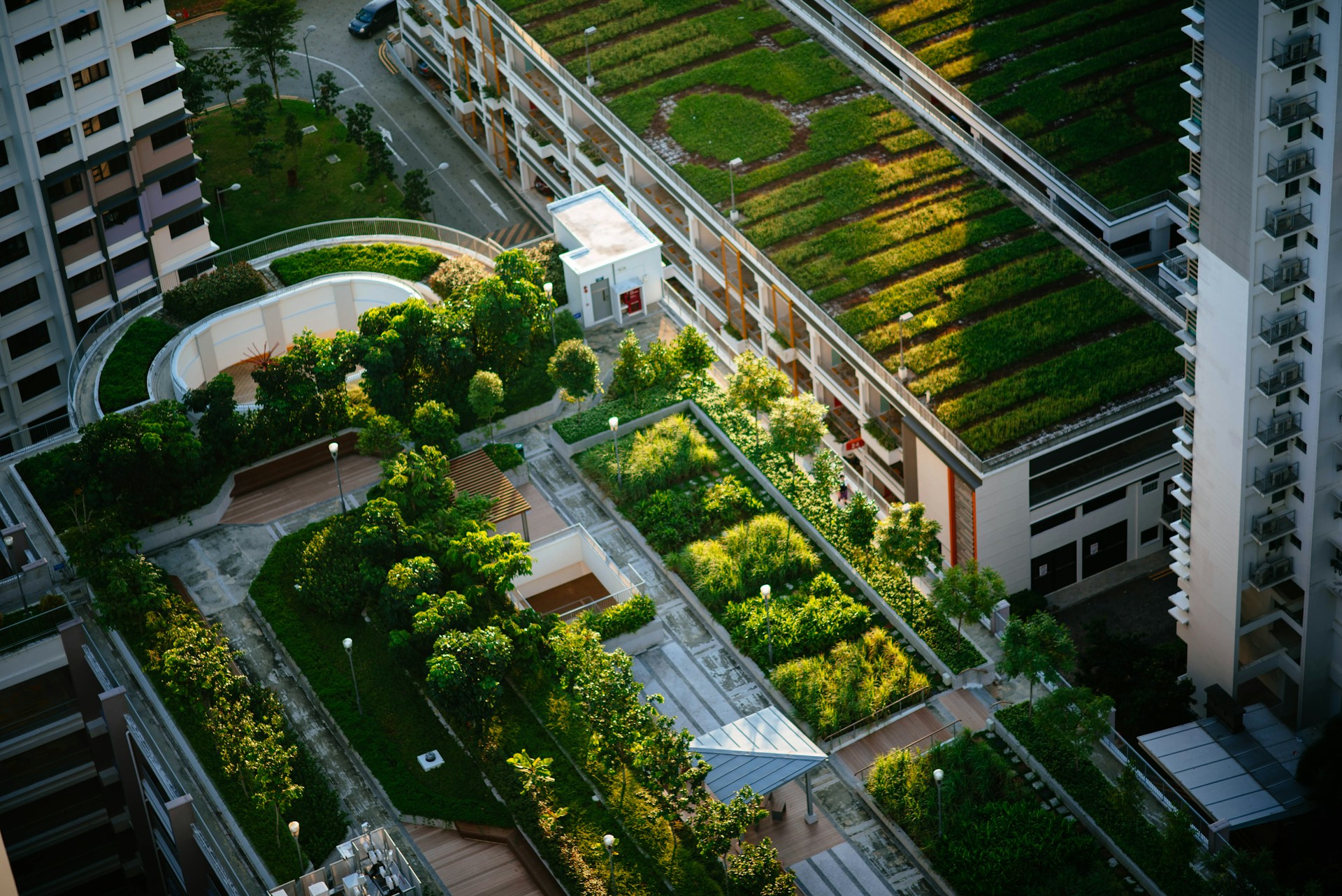
Commercial Green Roof Systems
Green Roofs for the Commercial Sector
Commercial green roofs are a sustainable way to turn unused roof space into attractive, practical and environmentally valuable green spaces. For commercial buildings, they can improve energy efficiency, support biodiversity, reduce rainwater runoff and help create a more appealing environment for staff, visitors and customers.
A commercial green roof is made up of several carefully designed layers. These usually include a waterproofing membrane, drainage layer, growing medium and vegetation layer. Together, these layers create a living roof system that is covered with vegetation and designed to protect the building while supporting healthy plant growth.
As more businesses look for long term ways to improve sustainability, green roof systems are becoming a popular choice for offices, retail spaces, schools, healthcare buildings, hotels, industrial units and other commercial properties.
Whether the aim is to improve the appearance of a building, reduce environmental impact or create usable green spaces, a high quality commercial green roof can deliver lasting value.
What is a Commercial Green Roof?
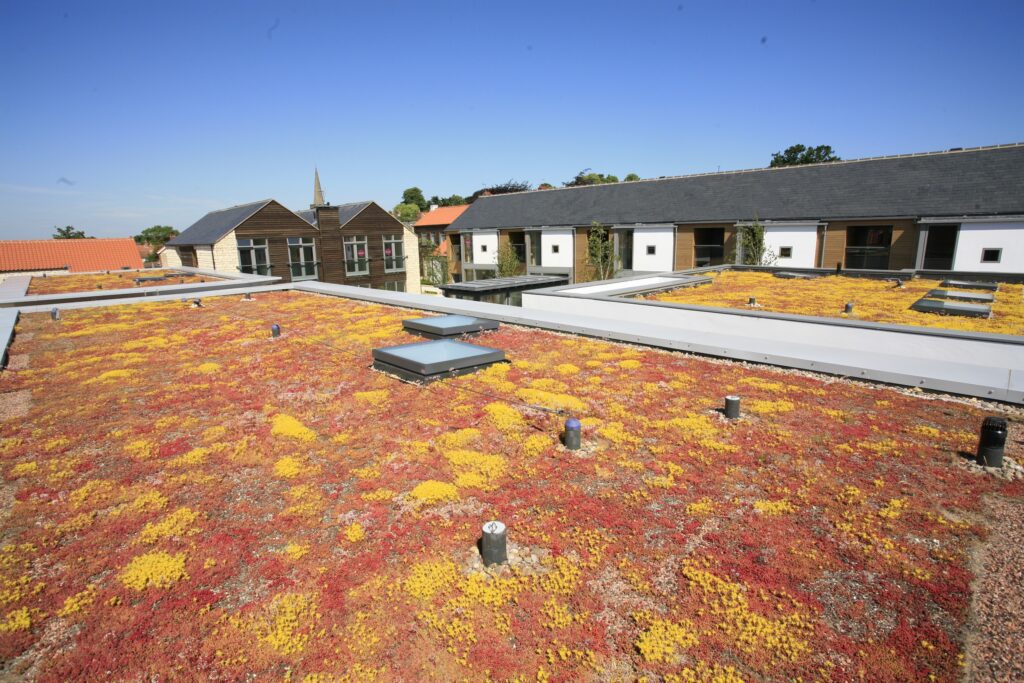
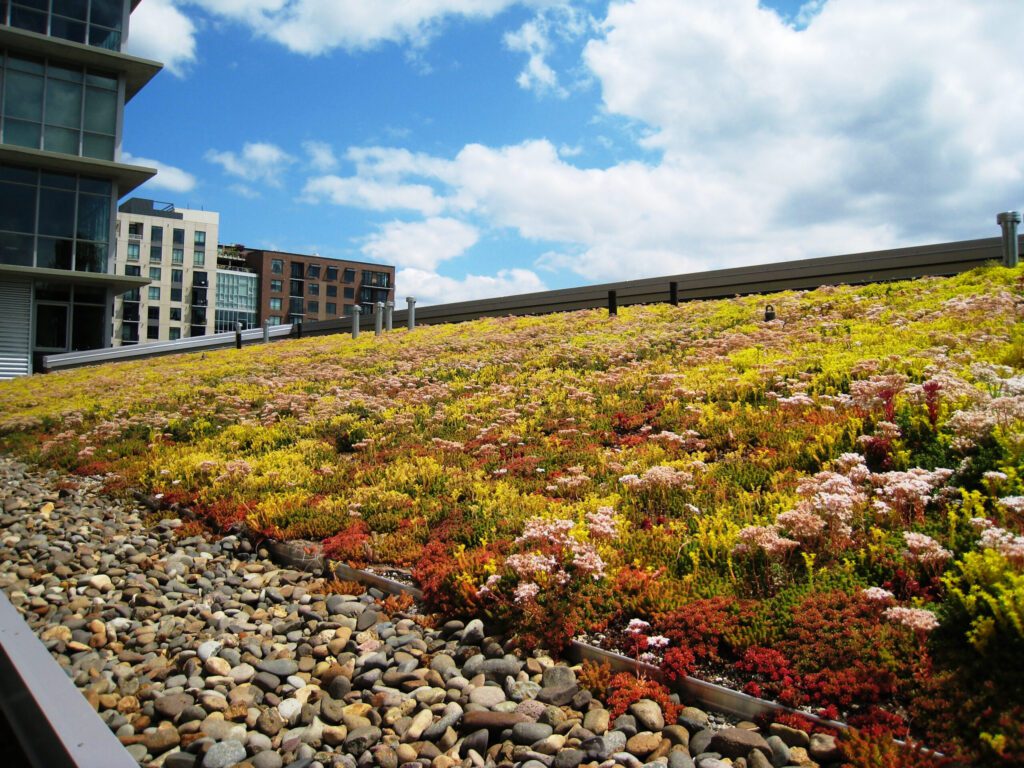
A commercial green roof is a planted roof system installed on a commercial property. Instead of leaving a flat roof unused, the space is transformed into a natural surface that can support sedum, grasses, wildflowers, shrubs or other suitable planting.
These systems are designed around the structure of the building and the needs of the property owner. Some commercial green roofs are lightweight, simple and low maintenance. Others are more detailed, with deeper planting, access routes and landscaped areas that can be used by people.
The main purpose of a commercial green roof is to add environmental, practical and visual value to a building. It can help protect the roof structure, improve air quality, support wildlife and reduce the impact of heavy rainfall. It can also help businesses meet planning requirements, sustainability targets and biodiversity goals.
For many commercial properties, the roof is one of the most underused parts of the building. A well-designed green roof turns that space into something useful, attractive and beneficial.
Upgrade to a Smarter Commercial Roof
Start your journey toward a greener, more sustainable commercial space today.
Types of Green Roof
There are different types of green roof systems available for commercial buildings. The right option will depend on the structure of the roof, the available budget, the maintenance requirement and how the space will be used.
The main types of green roof are extensive, intensive and semi-intensive systems. Each one offers different benefits and is suited to different commercial projects.
Intensive Green Roofs
An intensive green roof is designed to support deeper planting and more varied landscaping. Intensive roofs can include lawns, shrubs, flowers and even small trees, depending on the design, the building structure and the depth of the growing medium.
These roofs are often used to create accessible roof gardens, outdoor seating areas, terraces or recreational spaces. They are a good option for offices, hotels, restaurants, healthcare buildings and other commercial properties where the roof space can be enjoyed by people.
Because intensive green roofs use deeper materials and heavier planting, they need more structural support than extensive green roofs. They also have a higher maintenance requirement, which may include irrigation, pruning, weeding and seasonal care.
However, intensive green roofs can offer excellent long term value. They create attractive green spaces, improve the user experience and provide strong visual, social and environmental benefits.
Semi-Intensive Green Roofs
Semi-intensive green roofs sit between extensive and intensive systems. They allow for more varied planting than an extensive roof, but usually need less maintenance and structural support than a full intensive green roof.
These systems are suitable for grasses, perennials, small shrubs and other low-growing plants. They are often chosen by businesses that want a more natural and attractive roof without creating a fully accessible roof garden.
Semi-intensive systems can provide a good balance of visual appeal, biodiversity, rainwater management and manageable upkeep. For many commercial property owners, they offer a practical middle ground between simple extensive roofs and more detailed intensive roof gardens.

Extensive Green Roofs
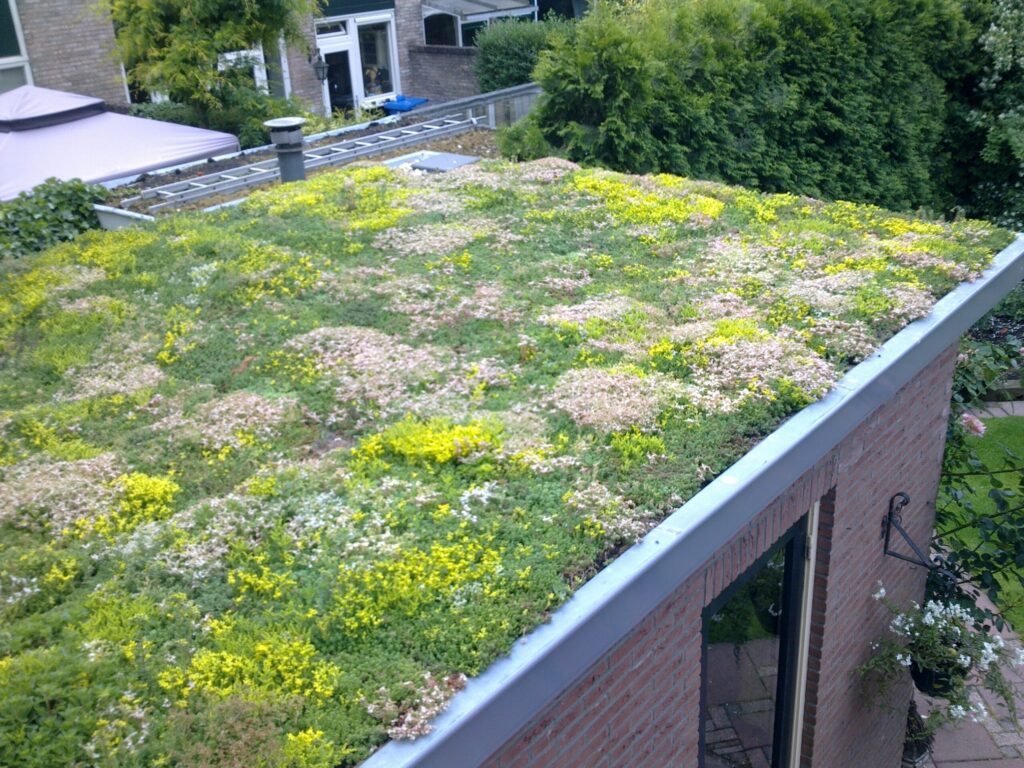
Extensive green roofs are the most lightweight and low maintenance option. They usually have a shallow growing medium and are planted with hardy vegetation such as sedum, mosses, grasses and wildflowers.
These systems are ideal for commercial buildings where the roof will not be used regularly by people. They are often chosen for sustainability, biodiversity, rainwater management and visual improvement.
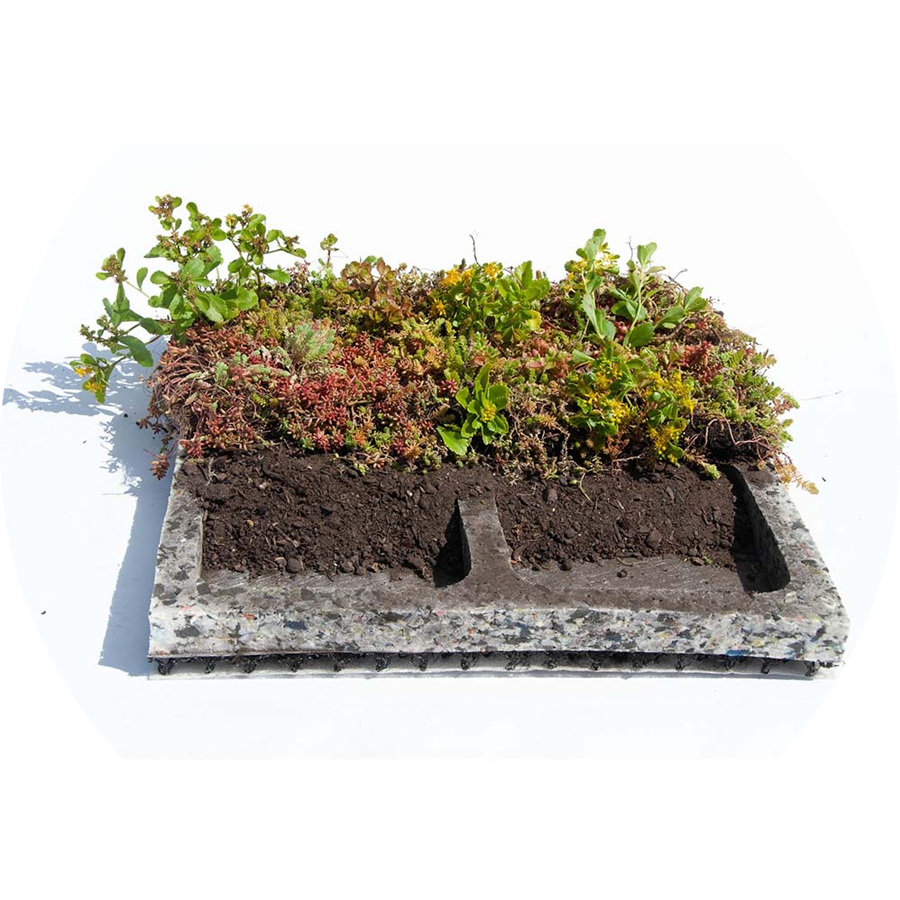
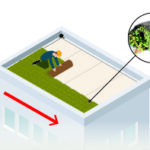
Extensive green roofs can also be installed using pre grown vegetation blankets. This helps create quick coverage, a neat finish and faster establishment. Once in place, they usually require only basic maintenance, making them a practical and cost-effective choice for many commercial properties.
Although extensive green roofs are not normally designed for regular foot traffic, they still provide strong environmental benefits and can help turn a plain roof into a valuable green asset.
Benefits of Green Roofs for Commercial Buildings
Commercial green roofs offer a wide range of benefits for commercial buildings, especially in towns and cities where natural green spaces are limited.
One of the main benefits of green roofs is improved thermal performance. The vegetation and growing layers provide natural insulation, helping to reduce energy consumption by keeping buildings cooler in summer and warmer during colder months.
Green roofs also support better stormwater management. By absorbing and slowing down rainfall, they can reduce surface water runoff and ease pressure on drainage systems during heavy rain. This can be particularly valuable for commercial buildings in built-up areas.
Another important benefit is air quality. Plants can help filter pollutants, capture airborne particles and contribute to a healthier surrounding environment. In busy urban locations, this can make a meaningful difference to the look and feel of a commercial site.
Commercial green roofs can also support biodiversity. A carefully chosen vegetation layer can provide habitat for insects, birds and other wildlife, helping to replace some of the natural habitats lost through development.
For property owners, a high quality green roof can also improve the appearance and long term value of a building. It can soften the look of a commercial property, support a stronger sustainability message and create a more positive impression for customers, tenants, staff and visitors.

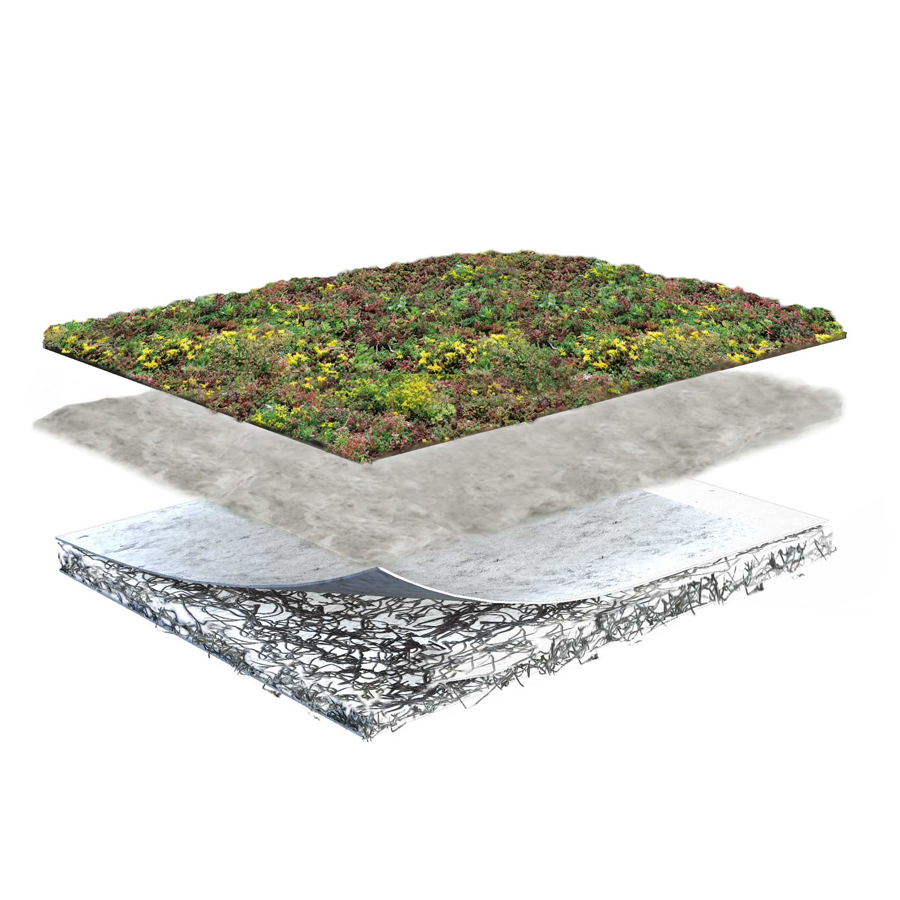
Components and Layers of a Green Roof
- Decking/Sheet Metal Substrate
The base layer provides structural support for the entire green roof system.
- Vapour Control Barrier
Prevents moisture from entering the building and causing damage.
- Root Barrier
Protects the waterproofing membrane from plant roots that could cause leaks.
- Drainage Layer
Ensures excess water drains away, preventing waterlogging and maintaining plant health.
- Filter Membrane
Prevents soil from clogging the drainage system while allowing water to flow freely.
- Growing Medium
A lightweight soil-like material that supports plant life by holding moisture and nutrients. - Plant Layer
The visible layer of vegetation provides environmental benefits and aesthetic appeal.
Components and Layers of a Green Roof
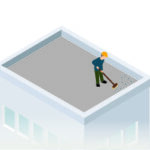
- Design and Planning
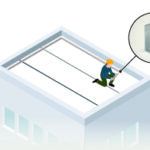
The first step in installing a green roof is designing a system that suits both your building’s structure and your sustainability goals. At The Green Roof Company, we work closely with architects and engineers to create tailored green roofs that meet your specific needs. - Structural Assessment
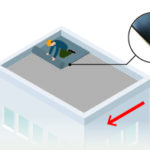
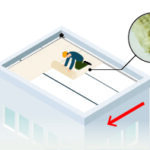
We ensure your building’s roof can support the green roof’s weight. Our expert team conducts thorough structural assessments, providing any necessary reinforcements to ensure a safe and lasting installation. - Waterproofing and Layer Installation
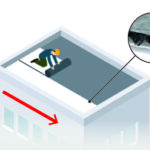
Once the structure is ready, we install the essential waterproofing, root barrier, drainage, and filter membrane layers to protect your building while ensuring proper water flow and plant health. - Growing Medium and Planting
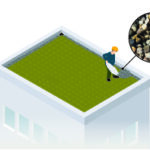
Next, we add the growing medium and plant layer, selecting plants based on your roof type and climate. Our team ensures that your green roof is not only functional but aesthetically pleasing. - Final Inspections and Testing
Once the installation is complete, we conduct a thorough inspection to ensure everything is functioning as expected, from proper drainage to the health of the plants. - Choosing Materials and Contractors
At The Green Roof Company, we pride ourselves on using the highest quality materials and working with experienced contractors. Our specialists ensure that every installation is performed to the highest standard for long-lasting results. For more information, visit our installation section on our website.
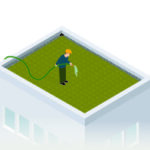
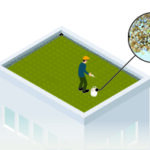
Cut Costs & Boost Value with a Green Roof
Discover how a commercial green roof can reduce overheads, meet ESG goals, and future-proof your building.
Maintenance Requirements
Maintaining your green roof is essential for its longevity.
We recommend checking for plant health, ensuring the drainage system is functioning properly, and inspecting the waterproofing layer regularly. We also advise periodic watering, particularly in the early stages.
Maintenance Differences
- Intensive Green Roofs require more regular care, including plant pruning, fertilisation, and irrigation.
- Semi-Intensive Green Roofs are easier to maintain, with fewer tasks needed compared to intensive roofs.
- Extensive Green Roofs are the lowest maintenance option, generally needing only occasional weeding and drainage checks.
Cost of Commercial Green Roofs
- Installation Costs
Costs vary based on the type of green roof chosen. Intensive roofs, requiring deeper layers and structural support, are more expensive. Extensive roofs, with lighter materials, are a more budget-friendly option while still offering significant environmental benefits. - Long-Term Savings
In addition to the initial installation cost, green roofs provide long-term savings by reducing energy consumption, cutting stormwater management fees, and increasing your property’s value. These roofs are an investment that pays off over time. - Grants and Incentives
There are often available government grants and tax incentives for businesses looking to install green roofs, especially those contributing to sustainability goals. Such as the Finding Funding initiative. These can help offset installation costs and further enhance your ROI.

Frequently Asked Questions
How long does a commercial green roof typically last?
A well-installed commercial green roof can last 30–50 years or more, often outlasting traditional roofing systems. The vegetation layer helps protect the waterproof membrane from UV exposure and temperature fluctuations, extending overall lifespan.
Can a green roof be installed on an existing commercial building?
Yes, many commercial green roofs can be retrofitted onto existing buildings. A structural assessment is required to ensure the roof can support the additional load, particularly for intensive or semi-intensive systems.
Do commercial green roofs require ongoing maintenance?
Maintenance requirements depend on the system type. Extensive green roofs need minimal upkeep, such as occasional weeding and inspections, while intensive systems require regular gardening, irrigation, and plant care.
Are green roofs suitable for all UK weather conditions?
Green roofs are highly suited to the UK climate. They are designed to handle heavy rainfall, wind exposure, and seasonal temperature changes, with drainage and planting systems tailored for year-round performance.
How do green roofs improve energy efficiency in commercial buildings?
Green roofs provide natural insulation by reducing heat loss in winter and limiting heat gain in summer. This can lower energy consumption for heating and cooling, helping businesses reduce operational costs over time.
Can a commercial green roof help with planning permission or sustainability targets?
Yes, green roofs can support planning approval and help meet sustainability requirements such as BREEAM ratings. They contribute to biodiversity, urban cooling, and sustainable drainage, which are often key considerations for commercial developments.